
 Customer reviews

 Notepad
 EN

 DE
 IT
Sardinia’s culinary specialities
Traditional Sardinian cuisine has little in common with that of mainland Italy. Traditional dishes date back to a time when the island’s inhabitants were almost exclusively shepherds and farmers. Meat used to be a luxury and rarely featured on the menu, whereas bread and cheese were more common.
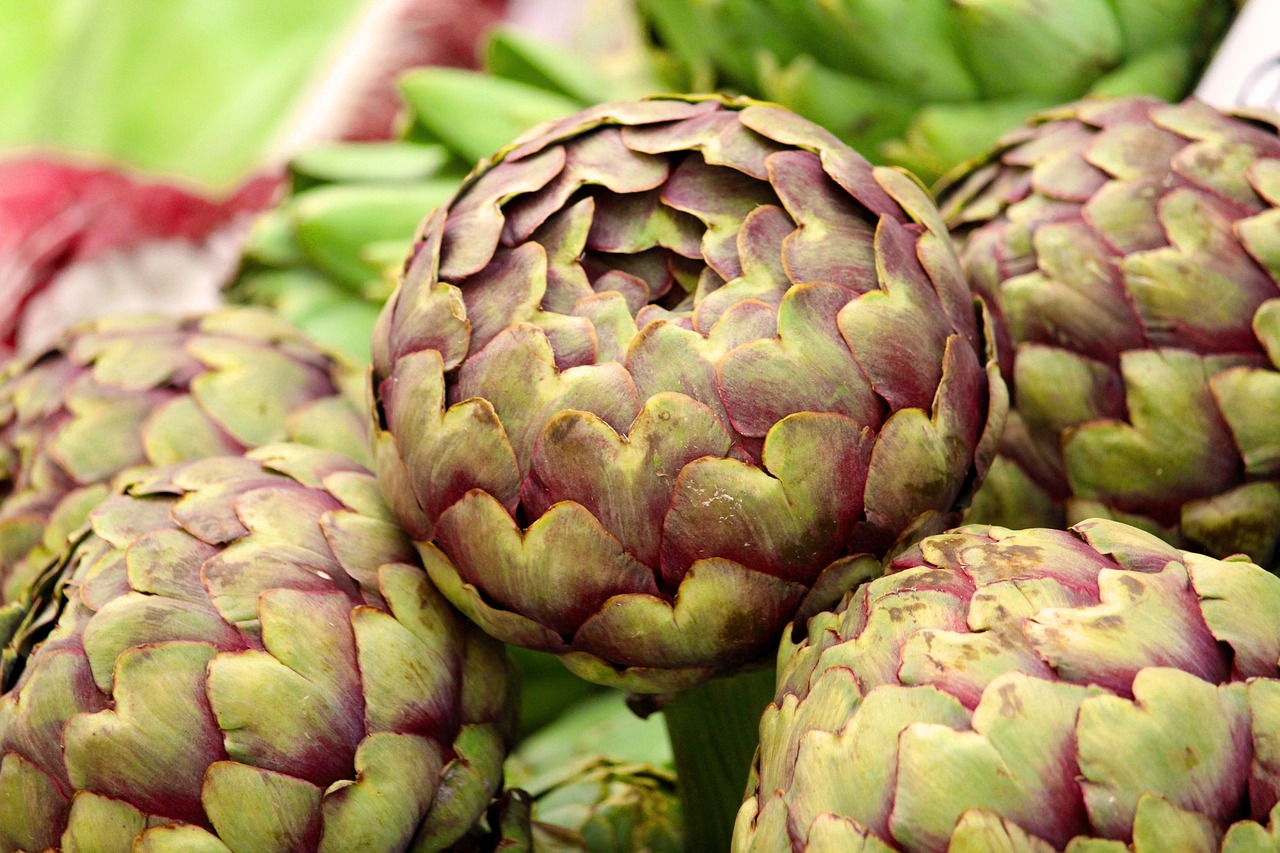
Artischocke
Artichokes
Sardinian cuisine does not make use of a wide variety of vegetables; due to the ever-present water shortage, growing them is both time-consuming and expensive. The artichoke alone is worth mentioning here: thanks to the large fields in the Campidano, Sardinia produces a significant proportion of Italy’s artichoke harvest.
Fish is mainly available in coastal areas, and thanks to tourism, pizza, pasta dishes and other Italian dishes naturally feature on menus in many places.
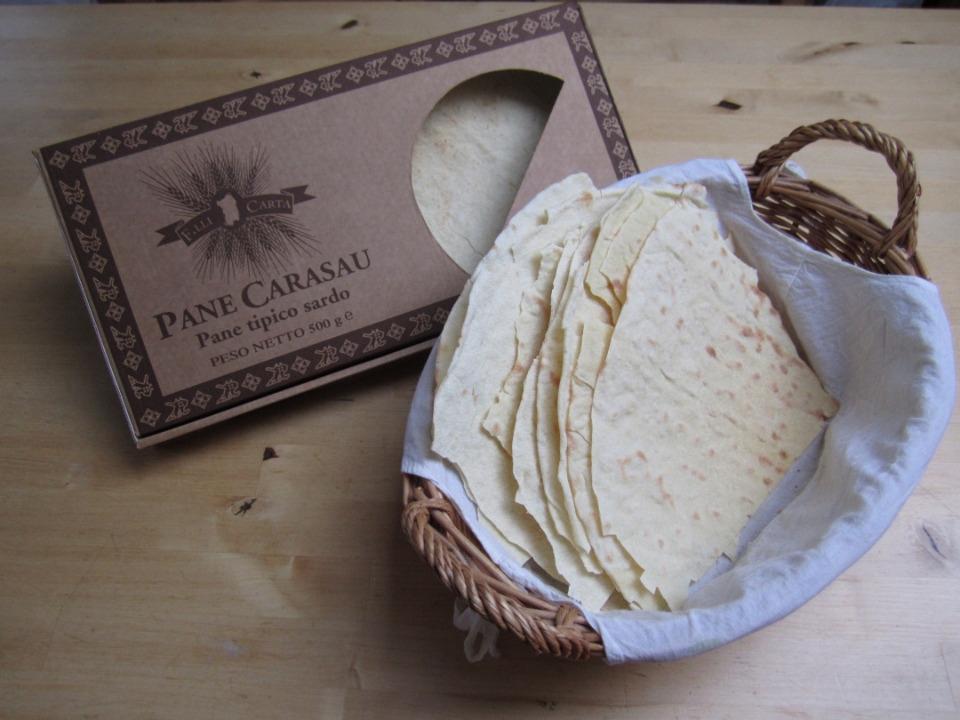
Pane Carasau
Carasau bread
Pane Carasau (also known as ‘Carta da Musica’) is a traditional Sardinian flatbread that originated with the shepherds of the island of Sardinia. It is very thin, crisp and dry, which gives it a long shelf life – a quality that used to be particularly important when shepherds were out in the countryside for weeks at a time.
The bread is made from a simple dough of durum wheat semolina, water, salt and yeast. After baking, it is cut horizontally into two halves and then baked again, giving it its characteristic thin, crisp texture. Pane Carasau has a mild flavour and is often eaten with soups, stews or cheese, or served with olive oil, salt and herbs as a simple but tasty accompaniment.
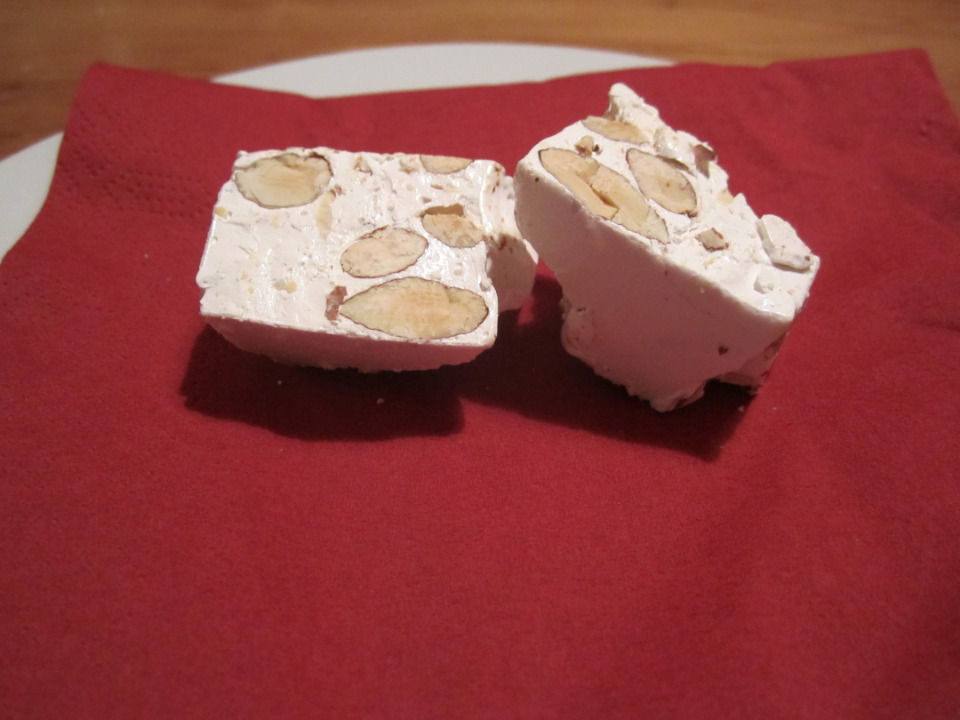
Torrone
Torrone
One particular speciality is the traditional sweet known as torrone. In Sardinia, torrone is a speciality produced mainly in the region around the town of Tonara, in the island’s mountains. Sardinian torrone is a type of white nougat, typically made from honey, almonds, hazelnuts or walnuts, egg whites and sugar.
What makes Sardinian torrone special is the generous use of local honey, often from wild thyme or chestnut trees, which gives the nougat a unique flavour. The texture can vary: from soft to very firm. It is traditionally made without additives or preservatives, giving it a natural and pure flavour.
Torrone is often sold at markets and festivals and is particularly popular during the Christmas season.

